Ride on Lawn Embroidery: A Designer's Craft Fair Review
As an embroidery designer preparing for a weekend market, my first task is to evaluate which designs in my library have the potential to become standout products on the table. Today, I'm looking at Ride on Lawn, a machine embroidery design described as being perfect for farmers and for decorating clothes or homes. This initial review is where the real-world judgment happens: will this design sell, look good in person, and be practical to produce for my handmade shop?
First Impressions: Rustic Charm with Bold Appeal
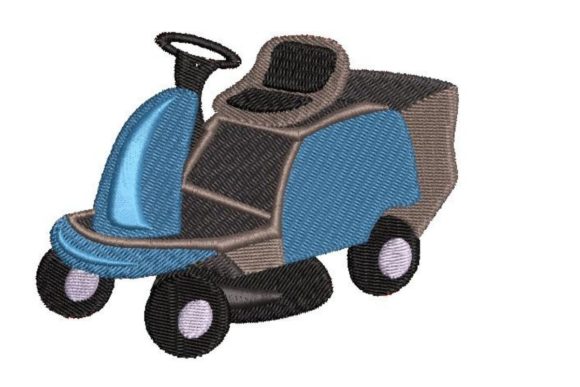
The title Ride on Lawn immediately suggests a specific, nostalgic charm. It doesn't feel cute or minimalist; it leans into a rustic, farmhouse aesthetic with a touch of playful boldness. For a craft fair booth, this is a valuable niche. It speaks directly to a lifestyle—to gardeners, homeowners, and those with a connection to the land. In a sea of generic floral patterns or trendy phrases, a design like this can capture attention because it feels authentic and slightly unexpected. The description places it in the Transportation category, which hints at the focal point being a vehicle, likely a lawn tractor or mower. This gives it a strong, recognizable graphic element that customers can understand at a glance from across the booth.
Product Performance: Where Ride on Lawn Shines
The true test is imagining this embroidery design applied to actual craft fair products. I visualize my table display: embroidered tote bags, aprons, tea towels, caps, patches, and pillow covers. Here’s where Ride on Lawn starts to show its potential.
For tote bags and market bags, this design could be a fantastic focal point. A larger version on the front panel of a canvas bag creates a statement piece. It feels giftable and functional—perfect for the farmer’s market customer literally carrying their purchases. On aprons, particularly a durable cotton or linen apron, it taps into that rustic, hands-in-the-dirt vibe. It would pair wonderfully with kitchen towel embroidery, creating a cohesive set for a farmhouse-style kitchen.
Embroidered patches are another strong contender. The design’s likely iconic vehicle shape makes it ideal for a patch, which could be applied to hats, jackets, or bags. Patches sell well at fairs as affordable, customizable items. For caps, however, I would proceed cautiously. The curved surface of a cap requires a design that isn't too wide or tall, and any tiny details or small lettering in Ride on Lawn might lose clarity. A test stitch on a scrap of similar fabric is essential.
Pillow covers and tea towels are classic farmhouse decor items. Here, Ride on Lawn could move from apparel into home decor, increasing its product range. A single, well-placed embroidery on a high-quality linen tea towel elevates it from utilitarian to decorative. For a pillow, it becomes a charming accent in a living room or porch setting.
The Practical Production Checklist
Turning a digital embroidery file into a batch of sellable products requires a practical eye. Before committing to production for my Etsy listings or booth samples, I run through a mental checklist specific to Ride on Lawn.
First, I must check the provided details. The description says it comes with multiple embroidery file formats for multiple machines, but I need to confirm the actual formats match my equipment and the specific hoop size requirements before I begin. I also need to verify the commercial licensing terms for selling finished products.
Stitch density is a critical consideration. A design featuring a vehicle might have large, filled areas. On textured towels or thicker fabric like a tote bag, high density can look premium and durable, but it also uses more thread and time. On a delicate fabric pouch, it might be too heavy. I would test the design on scrap fabric first to inspect the stitch coverage and puckering.
Thread colors and contrast are next. For maximum appeal, the design needs good contrast against common booth fabric colors: natural linen, white cotton, dark denim. I would compare fabric colors in my inventory to plan which combinations make Ride on Lawn pop. On dark fabric, I'd likely use a bright stabilizer underneath to ensure the design doesn’t get lost.
Finally, photographing for online listings is a production point. A design with clear, bold shapes photographs well. I’d create at least one real mockup—a finished tote bag or towel—to shoot in natural light. This mockup also becomes a powerful booth sample, engaging buyers with the tangible handmade quality.
Booth Strategy & Customer Engagement
At the craft fair itself, a design’s success hinges on visual appeal and buyer engagement. How does Ride on Lawn affect my booth’s strength?
Its rustic, theme-specific nature gives it a strong brand consistency if I pair it with other farmhouse or garden-themed items. It wouldn’t feel random on my table. A customer interested in this aesthetic will notice it immediately. To boost engagement, I might display it on a product that tells a story: the apron next to some rustic kitchenware, or the tote bag holding a small potted plant.
The design adds product value by feeling specialized. It’s not a mass-market graphic; it’s a niche design that suggests care and customization. This can justify a slightly higher price point for the handmade product compared to a simpler, generic motif. For the boutique maker or creative entrepreneur, that perceived value is key.
Careful-Use Notes for the Embroidery Business Owner
Based on my experience, I would offer these specific notes to any small shop owner considering Ride on Lawn for commercial embroidery products.
- Size Flexibility: Evaluate if it works as a small accent (like on a pouch) or only as a large focal design. Tiny details may vanish at smaller sizes.
- Fabric Compatibility: Test it on the fabrics you sell most. The right stabilizer for each fabric type—from smooth cotton to textured towels—is non-negotiable for clean results.
- Batch Production: Consider if the design feels repeatable. A balanced, not overly complex design is better for producing multiple units efficiently for your craft fair booth.
- Online Presentation: For your Etsy shop or digital store, use clear printable mockups or photos of the finished product. Highlight its use-case: “Perfect for the gardener’s tote” or “Farmhouse kitchen decor.”
Final Design Judgment for the Craft Fair
After this review, Ride on Lawn emerges as a promising candidate for my handmade product line. Its rustic, bold charm targets a clear customer niche, which is a selling advantage at a busy market. It performs well on several key craft fair products like tote bags, aprons, and patches, allowing for product variety. The production process requires the standard diligent checks—testing stitch density, fabric contrast, and hoop size—but doesn’t seem to present any unusual red flags based on the description.
My recommendation to fellow embroidery business owners, Etsy sellers, and craft fair sellers is this: if your brand or booth theme aligns with farmhouse, gardening, or rustic lifestyles, Ride on Lawn is worth a closer look. Download the digital embroidery file, run it on your scrap fabric, and create that first real mockup. See how it feels in your hands. That tangible test will confirm if it has the handmade quality and visual punch to turn a digital design into a craft fair success.