Japanese House Embroidery Review for Craft Fair Success
First Impressions of Japanese House
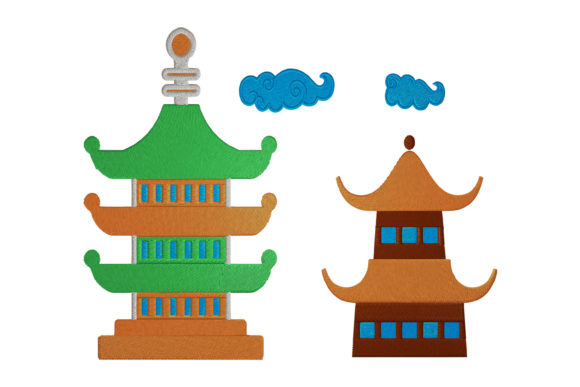
The moment I unzipped the Japanese House machine embroidery design, it was clear this was a piece that could stand out at any craft fair or handmade market. The title itself suggests a blend of tradition and charm, and the description promises versatility across multiple products. At first glance, the design feels elegant yet approachable, with clean lines and a soft aesthetic that leans into the farmhouse and minimal style while still carrying a touch of Asian-inspired detail.
This isn't a loud or overly decorative design, but rather one that exudes quality and subtle sophistication. It’s perfect for those looking to add a premium feel to their handmade items without overwhelming the eye.
How Japanese House Performs on Different Products
As an embroidery designer preparing for a weekend craft fair booth, I tested Japanese House on several products including tote bags, aprons, tea towels, patches, and pillow covers. Each application revealed different strengths of the design:
- Tote Bag Design: The design works well as a central focal point on canvas tote bags. Its simplicity makes it easy to recognize from a distance, which is key for attracting attention in a busy market.
- Apron Embroidery: On aprons, the design adds a gentle touch of personality without competing with functional elements like pockets and straps.
- Tea Towel Embroidery: The softness of the design complements the texture of cotton tea towels, making it ideal for kitchen-themed handmade products.
- Embroidered Patch: When reduced in size, the Japanese House becomes a charming accent on jackets, backpacks, or even denim patches.
- Pillow Covers: The design's elegance shines on linen or cotton pillow covers, especially when paired with neutral thread colors.
Practical Selling and Production Points
For Etsy sellers and small shop owners, practicality is crucial. Japanese House is straightforward to understand at a glance, which means customers can quickly grasp its visual appeal. It functions well as both a small accent and a larger focal design depending on the product.
When it comes to online listings, the design photographs beautifully. It has enough detail to be visually engaging but not so much that it appears cluttered. This makes it a strong candidate for printable mockups and digital listings.
However, for batch production, there are a few things to consider. The stitch density is moderate, which should make it suitable for most fabrics, but it’s important to test the design on scrap fabric first. If you plan to use it on dark fabrics, ensure that your thread colors have enough contrast.
Careful-Use Notes for Japanese House
While Japanese House is versatile, there are a few limitations to keep in mind:
- Dense Stitch Areas: Avoid using this design on very thick or textured fabrics where the stitch density might cause puckering.
- Small Lettering: If the design includes tiny details, ensure they are clearly visible when scaled down for patches or caps.
- Curved Cap Surfaces: The design may not translate well to curved surfaces like baseball caps without adjustments.
- Dark Fabric: Use high-contrast thread colors for dark backgrounds to maintain clarity.
- Smaller Sizes: Some details may lose clarity if the design is scaled below a certain size.
Visual Appeal and Booth Display Strength
The Japanese House design contributes to the overall visual appeal of a craft fair display by offering a consistent, elegant look across various products. Whether it's a handmade gift, a market bag, or a booth sample, the design brings a sense of quality and intentionality that appeals to buyers looking for unique, well-crafted items.
It also supports brand consistency for small shop products and commercial embroidery businesses. When used consistently across a range of items, it helps create a cohesive brand identity that stands out in a competitive marketplace.
Embroidery Designer Notes for Production
Before finalizing your Japanese House products, follow these best practices:
- Test the design on scrap fabric to see how it looks and feels in person.
- Check thread contrast against your chosen fabric color.
- Review spacing and adjust if needed for different hoop sizes.
- Inspect stitch density to avoid issues with fabric texture or thickness.
- Use the right stabilizer to prevent shifting or puckering.
- Create at least one real mockup to evaluate how it looks on actual products.
- Compare fabric colors to ensure the design translates well across different materials.
- Confirm commercial licensing before selling finished products to avoid legal issues.
In conclusion, Japanese House is a well-balanced, elegant machine embroidery design that can enhance a wide range of craft fair products. With careful planning and attention to detail, it can become a standout feature in your handmade collection, helping you attract more customers and increase sales at your next event.