Smiling Couch Embroidery: A Designer's Review for Craft Fair Success
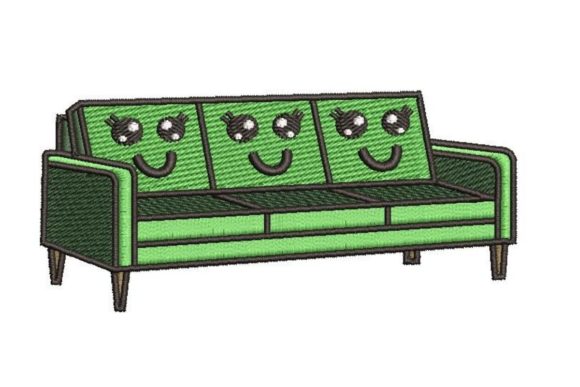
As an embroidery designer preparing for a weekend craft fair, every design I choose to bring to life on fabric must earn its place. It needs to sell on sight, produce efficiently, and elevate my booth’s overall appeal. Let’s review the Smiling Couch, a machine embroidery design described as "carefully designed, with great details," to see if it meets those real-world, market-ready standards.
First Impression: Where Does Smiling Couch Fit?
The title alone—Smiling Couch—immediately sets a mood. It’s playful, welcoming, and inherently cozy. This isn’t a minimalist geometric pattern or a rustic farmhouse icon; it leans into a cute, humorous, and decorative personality. For customers browsing a handmade market, this emotional hook is powerful. In a sea of products, a smiling couch suggests comfort, home, and a little bit of whimsy. It feels like a premium, thoughtful detail rather than a generic graphic, which is exactly what craft fair shoppers seeking unique, handmade products are looking for.
Product Performance: Where This Design Will Shine
The success of any embroidery file hinges on how well it translates onto actual items. For the Smiling Couch, its "great details" suggest it has the character to become a standout craft fair product.
On tote bags and market bags, this design would act as a fantastic focal point. The whimsical theme makes the bag itself feel like a cheerful accessory, not just a utility item. For apron embroidery and tea towel embroidery, especially in a kitchen setting, it injects personality into functional pieces. A smiling couch on a tea towel turns a simple kitchen linen into a giftable conversation starter.
As an embroidered patch, it offers fantastic versatility. Patches are a hot category, and this unique, house-themed image could be applied to jackets, backpacks, or fabric pouches, appealing to a broad audience. On pillow covers, the concept is a natural fit—a couch on a pillow is a delightful meta-decoration that enhances the product’s “home” appeal.
For smaller items like caps or small fabric pouches, you must consider scale. The "great details" mentioned could include tiny elements like the smile or couch texture. At a smaller size, these details must hold their clarity. It may perform best as a medium-sized design on these curved or smaller surfaces, rather than a tiny accent.
Practical Production & Selling Considerations
Turning a digital embroidery file into a profitable batch of finished products requires a practical eye.
Visual Clarity & Batch Production
From a selling perspective, the Smiling Couch is easy to understand at a glance—it’s a couch with a smile. This instant recognition is a huge advantage at a bustling fair where customers make quick, emotional decisions. For Etsy sellers and online shops, it photographs well; the clear concept and likely good contrast make for strong printable mockups and clean Etsy listing images. The theme feels repeatable: you could comfortably produce a batch of tote bags or pillow covers with this design, as each one carries the same strong, charming identity.
Careful Use Notes for the Embroidery Process
As a professional, I always advise testing before full production. Given the promise of details, you must check the actual stitch density. Densely stitched areas on items like tea towels or textured fabrics require the correct stabilizer to prevent puckering. If the design includes very small lettering or intricate couch details, stitching it onto a thick fabric like a cap or a dark fabric may require careful thread color choice and potentially a larger hoop size to maintain integrity. Always stitch the Smiling Couch on scrap fabric first, especially if you plan to scale it down for smaller products. This reveals whether the smile and details lose their charm and clarity.
Impact on Your Booth & Business
Choosing a design like Smiling Couch affects more than just a single item; it shapes your booth’s story and your brand’s perceived value.
In a physical booth display, products featuring this design create a cohesive, friendly theme. A tote bag, an apron, and a pillow cover with the same smiling couch instantly tell a story of "happy home decor," strengthening your booth display strength. It encourages buyer engagement because it’s relatable and sparks a smile—customers are more likely to comment and connect.
For your small shop product line, it adds a distinct, memorable piece that can define a category. It elevates perceived handmade quality because the design is specific and thoughtful, not mass-produced. Consistency across a few products builds a mini-collection within your broader offerings.
Final Designer Notes Before You Stitch
My last piece of advice, always: do not skip the physical mockup. Create at least one real sample on the product you intend to sell most, like a tote bag or tea towel. Compare how it looks on different fabric colors. Confirm the commercial licensing of the embroidery file before selling any finished products. The description notes it "comes with multiple embroidery file," so ensure you have the formats suitable for your machine and intended hoop sizes.
Ultimately, the Smiling Couch embroidery design has the character and clear appeal to be a craft fair winner. Its cheerful, home-focused theme taps into a universal feeling, and its detailed nature suggests a quality finish that customers value. With careful production testing to manage stitch density and scale, this design can become a standout, profitable part of your handmade market repertoire, turning a simple digital file into a smiling, sellable reality.