Dazzling Dragonfly: A Designer's Practical Review
First Impression: A Breath of Airy Charm
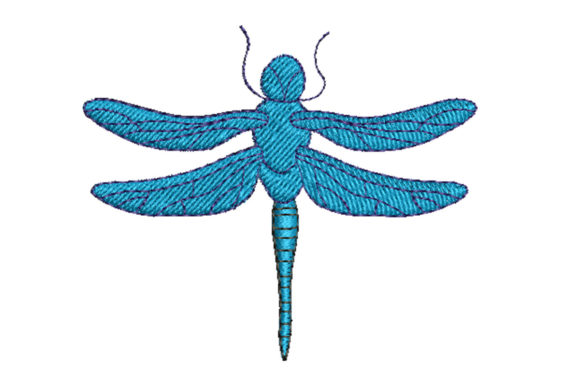
Opening the Dazzling Dragonfly embroidery file, my first thought wasn't about technical specs, but about mood. This design feels like a delicate, natural accent. It’s not overpowering; it’s graceful. The layout suggests movement, with wings poised as if just touching a surface. For an experienced designer, that visual personality immediately signals its best use: projects where you want a touch of organic beauty without heavy decoration. It belongs on items that benefit from a dainty, charming accent, exactly as described. This isn't a bold statement piece; it’s a whisper of nature.
The Natural Habitat for This Design
I immediately pictured it on a linen kitchen towel, a lightweight cotton baby blanket, or the corner of a linen pillow cover. Its personality suits fabrics that carry a sense of softness or natural texture. In my mind, I was already testing it against a real project: a custom tote bag for a boutique client who wanted a subtle, nature-inspired logo. The Dazzling Dragonfly would sit perfectly on the front pocket, not dominating the bag but adding a refined, handmade touch. For crafters and small shop owners, this is a design that elevates simple products into special gifts.
Performance in Real-World Projects
Moving from impression to application, let’s think through how this machine embroidery design would perform across the spectrum of work we actually do.
Where It Will Truly Shine
For custom apparel like women’s t-shirts or lightweight sweatshirts, it offers a beautiful focal point without excessive stitch density that can stiffen the fabric. On baby clothes—a little romper or a knit hat—it provides that perfect personalized gift accent. As an embroidered patch, it would be lovely, though its dainty details mean you’d need a good hoop size to capture them clearly before applying. For home decor, imagine it on a tea towel or the hem of a curtain in a sunroom. It whispers “handmade” in a very professional way.
For small business merchandise and Etsy listings, this design can be a versatile asset. It could become a signature element for a brand focused on garden themes, gentle nursery decor, or wedding favor items. In a printable mockup for a digital shop, it would showcase well because its detail level suggests quality. The key for commercial embroidery is that it looks clean and intentional, which builds customer trust in your craftsmanship.
Terrain Where Caution is Needed
This is where practical judgment matters. The design’s charm likely lies in fine lines and possibly detailed wings. On dark fabric, thread color contrast is paramount; you’d need to test thoroughly to ensure those delicate lines don’t vanish. On textured fabrics like a coarse knit or a cap’s curved surface, small details can get lost or distorted. If there are any tiny, intricate corners, you must use the correct stabilizer and possibly adjust your hoop size to ensure clarity.
Items that undergo frequent washing, like everyday aprons or heavy-use kitchen towels, require you to consider the stitch structure. If the design uses a lot of satin stitch for the wings, for example, it might be more prone to wear over time compared to a simpler fill stitch. Always stitch it on scrap fabric first, simulating the actual project fabric and washing cycle.
Impact on Value and Presentation
From a business and aesthetic standpoint, using a design like Dazzling Dragonfly correctly affects several key areas.
Its visual appeal is inherently high for a specific audience—those who appreciate nature motifs and subtle artistry. This directly influences product value. A simple cotton tote with this embroidery feels more like a boutique product than a generic bag. For giftability, it scores highly; it’s easy to personalize with a name nearby and becomes a cherished holiday or wedding gift.
Stitching clarity is the foundation of that value. If the design stitches out cleanly with good separation between elements, it presents your work as professional. That consistency strengthens your brand if you use similar styles across your line. It engages buyers because it tells a story—of gardens, lightness, summer—without a word.
Essential Designer Notes Before You Stitch
Before you load this embroidery file and run it on a client’s item, here’s my routine advice.
- Test on scrap first. Use the exact fabric (or as close as possible) you intend for the final product. Check for puckering, thread tension, and detail rendering.
- Review stitch density visually in your software. Are there overly dense areas that might challenge thin or stretchy fabric?
- Check thread color contrast by imagining the design on both light and dark backgrounds. Sometimes a design needs a slightly different palette for dark fabrics.
- Confirm your hoop size is appropriate. The provided description mentions multiple formats, so ensure you’re using the file optimized for your intended hoop.
- Inspect small details in the preview. Are there any single stitches or tiny jumps that might not stitch well on your machine or fabric?
- Use proper stabilizer. For lightweight or stretchy fabrics, this is non-negotiable to preserve the design’s dainty lines.
- Consider licensing. The description doesn’t specify license terms. Before selling finished items or using it in commercial embroidery projects, always confirm the license allows for that use. This protects your business and respects the designer.
- Think in black and white. Sometimes, viewing a design in a simple mockup without color helps you judge its form and balance purely, which is crucial for brand consistency.
A Final Real-Life Scenario
Let’s settle on a concrete example. I’m preparing a batch of linen pillow covers for a craft fair. I want a signature embroidery that feels cohesive across different pillow colors. Dazzling Dragonfly comes to mind. I stitch it on a scrap of the linen, adjusting my stabilizer for the fabric’s loose weave. The stitchout is clean, the wings have a lovely delicate texture. On the finished pillow, placed in the lower corner, it adds just the right amount of handmade charm without making the pillow feel “busy.” At the fair, customers immediately connect with it; it’s recognizable, appealing, and it sells because it looks well-made. That’s the practical power of a well-chosen design: it works quietly, but effectively, in the real world of projects and products.