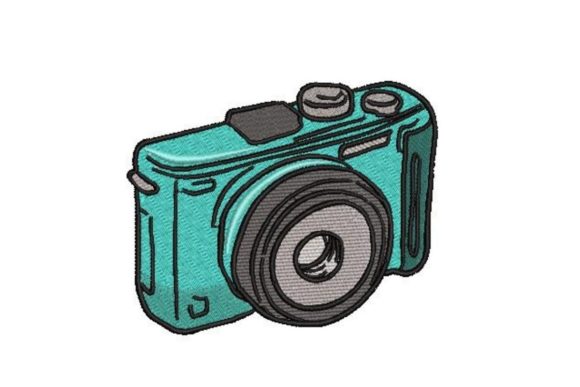
A Hand Drawn Camera Embroidery Design for Photographers
As an embroidery designer, I frequently search for designs that can elevate a handmade product, turning a simple tote or sweatshirt into something special for a customer. When I saw the Hand Drawn Illustration of a Camera listed on Creative Fabrica, I paused. The category was Vacation, but the potential felt much broader. I decided to evaluate it for a real project: a custom camera bag for a photography enthusiast.
First Impression: Sketch-Like Charm with Decorative Potential
The immediate appeal of this machine embroidery design is its artistic, sketched personality. It doesn’t look like a rigid, technical drawing. This gives it a warm, handmade feel that perfectly aligns with creating personalized gifts or boutique merchandise. The detail level suggests it would rely on a mix of satin stitch for outlines and fill stitches for the body, creating a nice texture. Visually, it fits projects that celebrate a passion, not just a vacation theme.
Where This Camera Design Naturally Belongs
This isn’t just a vacation embroidery. Its true home is on products for creatives, hobbyists, and those making sentimental gifts. I instantly pictured it on:
- Custom apparel like sweatshirts or aprons for photographers or crafters.
- Tote bags and pillow covers for a cozy, creative studio or nursery decor.
- Embroidered patches to be applied to bags or jackets.
- Baby blankets or kitchen towels as gifts for a parent who loves photography.
- Cap embroidery, though the curved surface requires careful testing.
For Etsy sellers and craft fair vendors, this design adds a niche, conversational element to a product listing. It tells a story.
Practical Performance on Real Fabrics and Products
Before committing to a customer order, a professional must consider how a design stitches out. For the Hand Drawn Illustration of a Camera, I would focus on a few key areas.
Stitch Density and Small Details
The hand-drawn style often means varying line weights. I’d be cautious about very small hoop sizes. If the design has tiny details, like small lettering or intricate lens outlines, they might become overly dense or lost on textured fabric. My first step would always be to test on scrap fabric identical to my final product—a canvas tote or cotton sweatshirt material. Checking the stitch density in any filled areas is crucial to prevent puckering, especially on stretchy fabric.
Thread Color and Fabric Contrast
This design’s success hinges on contrast. On dark fabric, a bright white or light grey thread scheme would make it pop. On light fabric, a classic black or navy outline could look striking. I’d create both light and dark fabric printable mockups to visualize the final product before stitching. Using the proper stabilizer is non-negotiable to maintain the sketch’s clean lines.
Commercial Use and Frequent Washing
For items like aprons or kitchen towels that need frequent washing, the integrity of the stitches matters. A well-digitized design with secure outlines holds up. After my test stitch, I would inspect small details after stitching and even wash the test piece to ensure durability. This builds buyer trust for your handmade product.
Adding Value to Your Handmade Business
Beyond the stitch, this embroidery file impacts your business. A unique, artistic design like this enhances your product’s visual appeal and perceived value. It feels less generic, which supports brand consistency if you cater to a creative audience. For product photography and Etsy listings, a well-embroidered camera on a simple bag creates a strong, engaging focal point. It makes the item more giftable and can directly connect with a customer’s personal passion, increasing engagement.
Essential Steps Before You Sell
My final advice is always procedural. The product description mentions it comes with multiple embroidery file formats and can be used with multiple machines. That’s promising, but I never invent specifics.
- Always confirm file details and licensing on the Creative Fabrica product page before selling finished items. Ensure the formats match your machine and the license permits commercial embroidery.
- Check thread color contrast plans against your actual product fabric.
- Review stitch density by doing a test run. Confirm the effective hoop size required.
- If considering cap embroidery or patches, test on a curved or stiff surface to see how the layered details behave.
For me, the Hand Drawn Illustration of a Camera is a worthwhile digital embroidery file. Its sketched charm translates into a decorative, personality-driven piece for a range of projects. It’s not a simple logo; it’s a conversation starter on a handmade product. With careful testing and attention to the practical embroidery notes above, it can become a reliable design asset for your creative work.