A Closer Look at 'Mom and Dad': Evaluating Its Real-World Stitchability
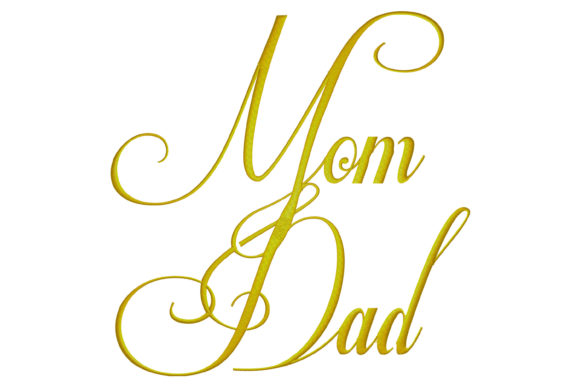
When you download an embroidery design, it’s more than just a file—it’s a promise of a finished product. As someone who’s stitched thousands of designs for client projects and my own craft business, my first test is always a simple one: does this design feel like it will stitch well and sell well? The ‘Mom and Dad’ design from the Family Quotes category immediately presents itself as a classic, heartfelt statement. It’s not overly ornate, which is often a good sign. The layout feels balanced, with a visual personality that leans towards warmth and sincerity rather than flashy detail. This isn’t a design shouting for attention; it’s one that whispers a personal message, and that’s a powerful starting point for many projects.
The First Impression: Warm, Clear, and Versatile
Opening the file, my designer’s eye looks for the mood it creates and the practical details. ‘Mom and Dad’ typically evokes a sense of gratitude and family connection. The shapes are likely clean, and the lettering is designed to be legible—a crucial factor when the words themselves are the emotional core. The detail level appears manageable, not overly dense, which suggests it will translate well across a variety of fabrics and products. This isn’t a design that belongs solely on a pillow; its straightforward nature makes it a natural candidate for custom apparel like t-shirts and sweatshirts, personalized gifts such as tote bags or aprons, and even smaller embroidered patches for caps or baby items. It feels like a design you could confidently stitch for a client’s wedding gift or incorporate into your small shop’s holiday merchandise lineup.
Where ‘Mom and Dad’ Shines in Real Projects
Let’s walk through a real scenario. Imagine you’re preparing a custom embroidered sweatshirt as a gift. You’ve selected a nice, mid-weight cotton blend. ‘Mom and Dad’ is your chosen design. Its likely use of satin stitch for the letters and perhaps a fill stitch for any decorative elements means it will have a clean, raised texture that feels professional and durable. On a tote bag, the design would offer a lovely handmade presentation, enhancing the product's value. For a boutique selling nursery decor, stitched onto a blanket or pillow cover, it adds a timeless, personalized touch that buyers recognize and trust.
For craft business owners and Etsy sellers, this design is a solid digital embroidery file asset. It can be used to create a range of products—from kitchen towels to baby clothes—helping maintain brand consistency if your shop focuses on family-themed items. The emotional resonance of ‘Mom and Dad’ directly affects buyer engagement; it’s inherently giftable. In commercial embroidery projects, such as a small batch of caps for a family event, its clear lettering ensures recognition and professionalism.
Practical Considerations and Areas for Care
No design is perfect for every single application, and a professional review must highlight where to proceed with caution. With a design like ‘Mom and Dad’, the primary concerns often revolve around scale and fabric choice.
If the design includes small lettering or fine details, be wary of using it on very small hoop sizes. Tiny script can lose clarity and become a nest of thread breaks. Textured fabrics like terry cloth or loosely woven linens might obscure the clean lines. On thin or stretchy fabric without proper stabilizer, the stitch density could cause puckering or distortion, especially if the design has any dense areas. Stitching on dark fabric requires thoughtful thread color contrast—a white or light satin stitch might pop beautifully, but you need to test it.
Curved surfaces like caps present a unique challenge. The design’s layout must be evaluated for how it will conform to the curve; a very wide, linear design might not fit well. Also, for products that need frequent washing, like everyday apparel, you must ensure the stitching is secure and the thread colors are stable to maintain that handmade quality over time.
Embroidery Designer Notes for a Successful Stitch
Before you commit this design to a final product, here’s my practical checklist derived from years in the hoop:
- Always test on scrap fabric first. Use the same material and stabilizer you plan for the final project. This reveals everything about stitch density, thread tension, and clarity.
- Check the thread color contrast against your background fabric. Run a quick test in both light and dark backgrounds if you intend to use it broadly.
- Confirm the physical hoop size required. The product description mentions it comes in multiple embroidery file formats, which is excellent for machine compatibility, but you must know the minimum size needed for a clean stitch.
- Inspect the small details in your test. Are any corners too sharp? Does any tiny lettering fill correctly?
- For business use, absolutely confirm the licensing before selling finished items or digital products. The description states it can be used with multiple machines, but the license for commercial use is a separate, critical detail.
- Consider creating printable mockups for your online listings. Seeing the design on a digital preview of a sweatshirt or pillow helps customers visualize the finished product.
The Final Verdict on Stitching Value
‘Mom and Dad’ strikes me as a dependable, emotionally resonant design. Its strength lies in its straightforward appeal and likely technical stability. When stitched well on an appropriate product, it elevates the visual appeal through clear, heartfelt messaging. For the crafter or entrepreneur, it builds customer trust because the finished product looks intentional and professional. It fits seamlessly into the world of personalized gifts and small shop merchandise.
My final thought is this: a design like ‘Mom and Dad’ is a tool. Its true value is realized not in the file download, but in the thoughtful application—the right fabric, the right stabilizer, the right product context. It asks you, the maker, to bring your skill to the table to make it shine. And for a design centered on family, that collaborative effort between the digital file and the human hand feels perfectly appropriate.